Facebook
 Twitter
 Instagram
 Youtube
 Google Plus
 Wordpress
 Blogspot














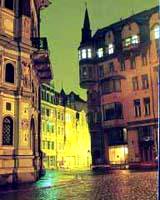 The small Riga River wound like a narrow ribon along
marshes and sands and flowed into the Daugava River. Near the river's
bend a settlement of Liv merchants and craftsmen was located (in the
area of present day Audeju and Kaleju streets in Old Town of Riga).
The small Riga River wound like a narrow ribon along
marshes and sands and flowed into the Daugava River. Near the river's
bend a settlement of Liv merchants and craftsmen was located (in the
area of present day Audeju and Kaleju streets in Old Town of Riga).
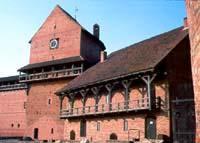 They used to build low houses made of pine or fir logs with straw or
reed roofs and basements made of boulders os oak-wood wells. They
worked in smithies, built vessels, traded at the Market Square. Foreign
merchants who travelled by the Daugava River were frequent visitors
there.
They used to build low houses made of pine or fir logs with straw or
reed roofs and basements made of boulders os oak-wood wells. They
worked in smithies, built vessels, traded at the Market Square. Foreign
merchants who travelled by the Daugava River were frequent visitors
there.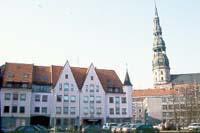 It followed the path of present-day Brivibas street and turned to Liv
settlement near the Powder Tower.
It followed the path of present-day Brivibas street and turned to Liv
settlement near the Powder Tower.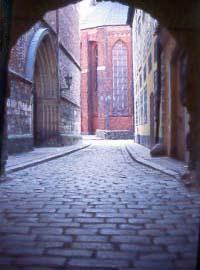 In spring 1200 Pope in his bull declared crusade against Livonia peoples.
From that time more and more often foreign ships arrived to the harbour on
the Riga River - not with goods but with armoured knights. At last bishop
Albert arrived - with knights and squadron of 23 ships. for the whole
summer they negotiated with local elders and examined the harbour.
In spring 1200 Pope in his bull declared crusade against Livonia peoples.
From that time more and more often foreign ships arrived to the harbour on
the Riga River - not with goods but with armoured knights. At last bishop
Albert arrived - with knights and squadron of 23 ships. for the whole
summer they negotiated with local elders and examined the harbour.

H3 Header Tag
Lorem ipsum dolor sit amet, consectetur adipiscing elit. Sed tincidunt felis in dolor ultricies convallis. Etiam mi risus, ornare elementum leo id, sollicitudin vulputate diam. Donec id hendrerit nisi. Cras eu aliquet velit. Suspendisse eget dignissim odio,vitae mollis magna. Ut egestas metus in ullamcorper auctor. Fusce quis lobortis est. Vestibulum condimentum elit in ante blandit ultrices. Nulla quis efficitur libero. Morbi et eleifend metus. Phasellus diam sem, vestibulum sed sollicitudin ac, hendrerit sagittis mauris. Duis pharetra, quam eget consequat elementum, sem tellus sodales lorem, a pulvinar tellus sapien eget massa. Nullam sit amet metus vulputate, viverra lectus a, convallis orci. Maecenas hendrerit venenatis feugiat. Cras sit amet massa a ex faucibus ullamcorper. Integer tempor diam enim, sit amet venenatis mauris consectetur non.